2 Why Does a Work of Art Need to Be Well Balanced? Quizlet
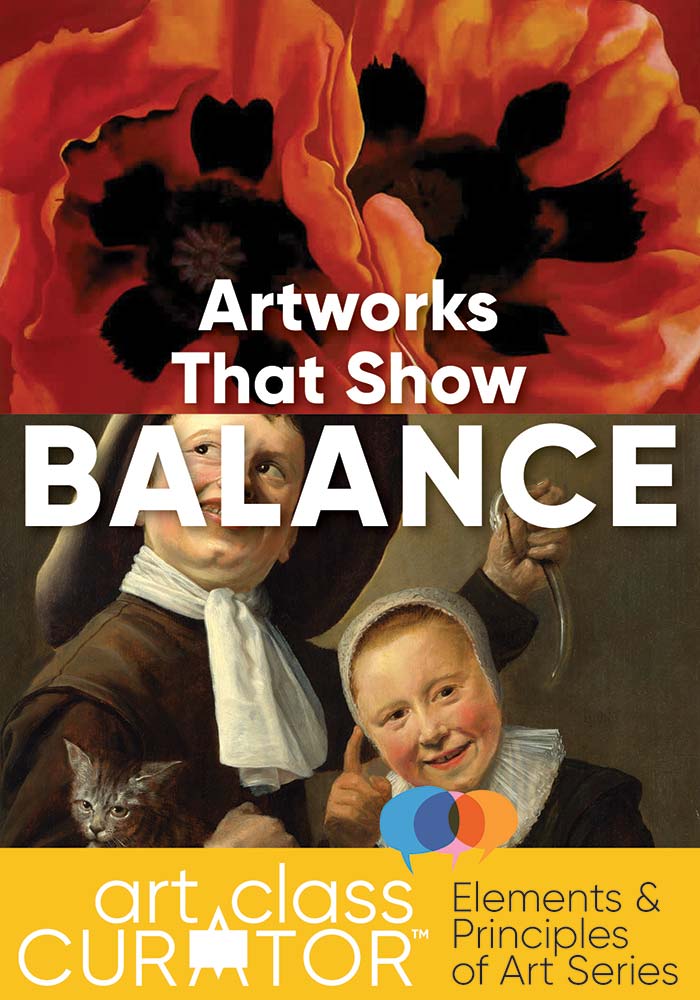
Continuing on with The Elements and Principles of Art serial, this commodity focuses on good examples ofresiduum in art. These examples and definitions are dividing into the different types of balance in fine art: symmetrical remainder in art, asymmetrical balance in art, and radial residuum in art.
I will add together to this examples of residual in art listing when I find more, so this is a good i to pin or bookmark! The horizontal picture collages do not take all the pictures from the categories.
Download the Free Elements and Principles Printable Pack

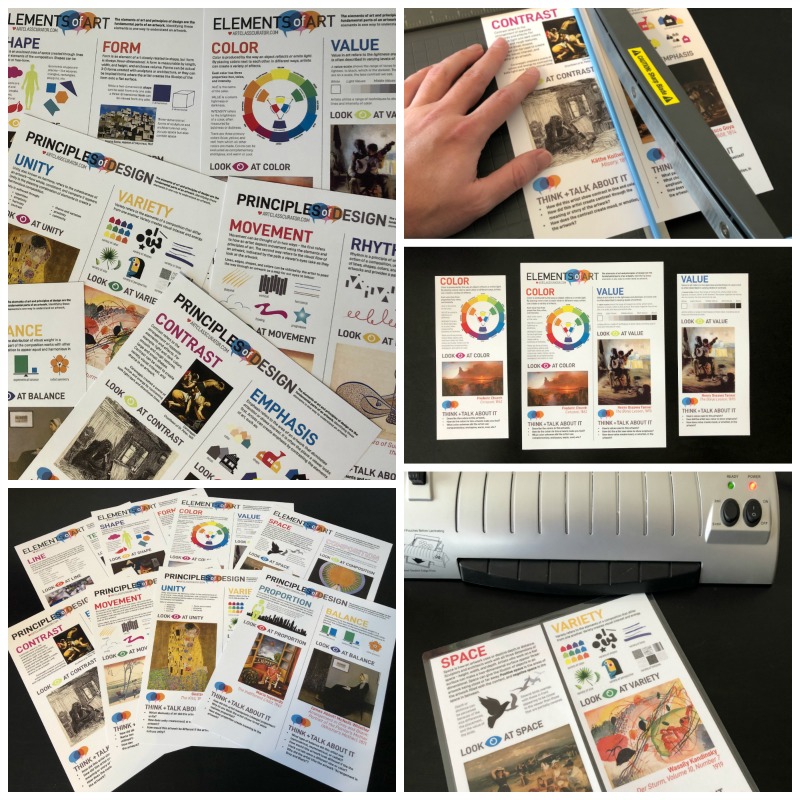
This pack of printables was designed to work in a variety of ways in your classroom when pedagogy the elements and principles of art. Y'all can print and hang in your classroom as posters/anchor charts or you can cut each element and principle of art in its own private card to use as a lesson manipulative.
What does balance hateful in art?
Remainder in art is just what is sounds like; it is the sense of stability in a work of art. To create rest in fine art, artists combine the visual components to ensure that one part of the artwork doesn't completely overshadow the rest. Each choice fabricated by the artist is a deliberate i in order to ensure equilibrium and residue in the art. Artists create this pleasing effect using the unlike types of balance in art listed below.
Symmetrical Balance in Fine art Examples
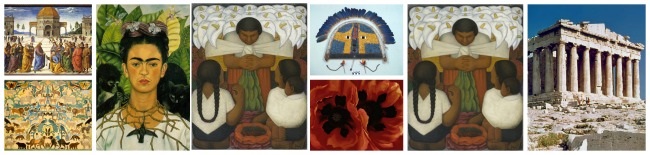
What is symmetrical balance in art? Symmetrical balance in art is when each half of the artwork is identical or very similar. Draw a line through the artwork and compare each side.
- Cimabue, Santa Trinita Madonna, 1280-90
- Pietro Perugino, Christ Giving the Keys to St. Peter, 1481–1482
- American 19th Century, Cutout of Animals, 2nd quarter 19th century
- Frida Kahlo, Cocky-Portrait, 1940
- Chokwe people, African, Chibinda Ilunga, mid-19th century
- Naum Gabo, Untitled sculpture in Rotterdam, kingdom of the netherlands, 1957
- Georgia O'Keefe, Oriental Poppies, 1928
- Diego Rivera, Flower Twenty-four hour period, 1925
- Ancient Greece, The Parthenon, 447-438 B.C.E.
- Tapirapé, Cara Grande feather mask, c. 1960
- Japan, Portrait sculpture of a Zen priest, 14th–15th century
- Thousand.C. Escher, many
- Francis Bacon, Effigy with Meat, 1909-92
- Salvador Dalì, Mae West Lips Sofa, 1938
Asymmetrical Residuum in Art Examples
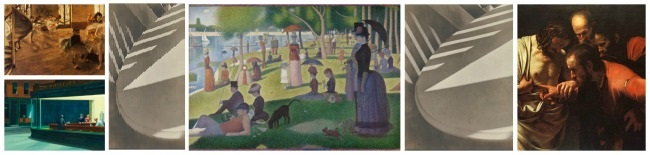
What is asymmetrical residual in art? Asymmetrical remainder in art is when each half is different merely has equal visual weight. The artwork is nevertheless balanced. For example, in the Caravaggio (the picture in the right in the collage), the 3 men are counterbalanced with Jesus on the left. Jesus is facing forward and in brighter lite which balances out the three men in shadow.
- James Abbott McNeill Whistler, System in Greyness and Blackness: Portrait of the Painter'south Mother known every bit "Whistler's Mother," 1871
- Caravaggio, The Incredulity of Saint Thomas, 1601-02
- Georges Seurat, A Lord's day on La Grande Jatte, 1884
- Edgar Degas, The Rehearsal, 1877
- Edgar Degas, Dancers Practicing at the Barre, 1876-77
- Gian Lorenzo Bernini, David, 1623
- Alexander Calder, Mobile, 1942
- Yinka Shonibare, Dysfunctional Family, 1999
- Katsushika Hokusai, The Smashing Wave off Kanagawa, c. 1829-32
- Paul Strand, Abstraction, Twin Lakes, Connecticut, 1916
- Ikebana, various
- Vincent van Gogh, The Starry Night, 1889
- Jacques-Louis David, Oath of the Horatii, 1785
- Edward Hopper, Nighthawks, 1942
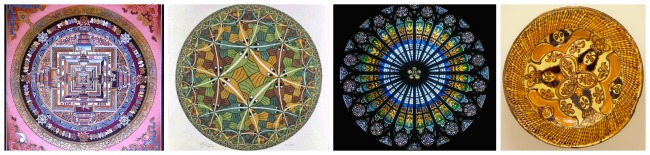 Radial Balance in Fine art Examples
What is radial balance in art? Radial balance in art is when there are equal parts that radiate out from the heart. Recollect of it like pieces of pie. You volition find in the examples of balance in art here that there tin be many equal pieces–from 3 in the Charles Two Charger to xvi in the Gothic Rose window!
- Gothic Rose Windows
- England, 17th century, Charger of Charles Ii in the Boscobel Oak, c. 1685
- G.C. Escher, many
- Mandalas, many
- Melozzo da Forlì, St. Mark'southward Sacristy, 1480s
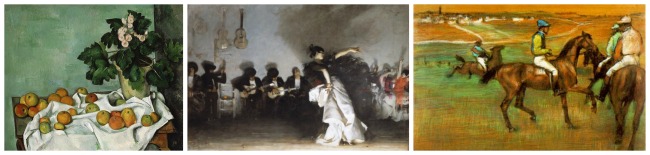 Off-Balance or Unbalanced Artworks (kind of)
It's hard to detect artworks that are unbalanced by well-known artists. These teeter on the edge between asymmetrically-balanced and unbalanced. Information technology's up for debate and would be a great discussion with your students!
- Edgar Degas, Race Horses, 1885-1888
- Paul Cezanne, Still Life with Apples and a Pot of Primroses, c. 1890
- Precolumbian, Presentation of Captives to a Maya Ruler, A.D. 785
- John Singer Sargent, El Jaleo, 1882
- Juan Sánchez Cotán, Quince, Cabbage, Melon, and Cucumber, 1602
- Judith Leyster, A Boy and Girl with a Cat and an Eel, c. 1635
- Paulus Potter, The Bull, 1647
- Harmen Steenwyck, All the same Life: An Allegory of the Vanities of Human Life, c. 1640
Exercise you have swell examples of residue in art? Share them with me in the comments, and I will add it to the listing!
Elements and Principles Teaching Parcel
This boggling bundle includes the best resource for teaching each of the elements and principles—37 worksheets/handouts, 15 lessons (with accompanying PowerPoints and Handouts), 3 ready-to-go fine art analysis activities, three art analysis videos, and 13 elements and principle PDF articles.
There you lot have it! The best examples of balance in fine art for your elements and principles of art lessons. Want more elements and principles of art instructor resource? Check out the below posts.
You May Besides Relish These Posts:
Reader Interactions
Source: https://artclasscurator.com/artworks-that-show-balance/
0 Response to "2 Why Does a Work of Art Need to Be Well Balanced? Quizlet"
Post a Comment